Don't cry, its just a poem...
That poem:
எனக்கு அழுது பழக்கமில்லை!
⚫
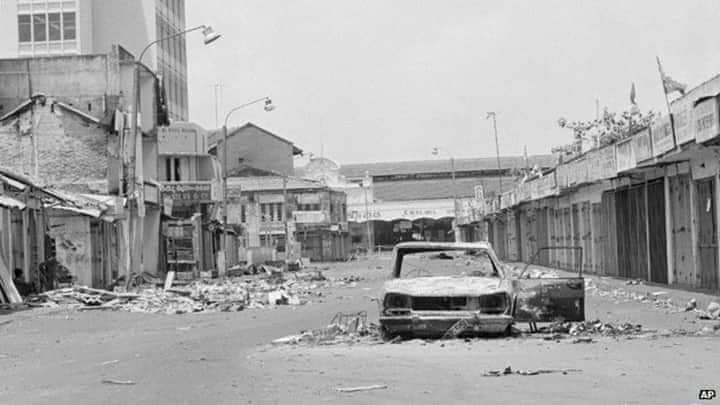
அந்த ஒரு கார் மட்டும்...
எனக்கு அழுது பழக்கமில்லை...
அந்தளவு எனக்கு உணர்ச்சிகள் இல்லை...
அதெல்லாம் மறந்துவிடு என்றது என் அரசாங்கம்...
ஆனால் என் வீட்டில் இருந்து பார்த்த
அந்த காரை மட்டும் மறக்க முடியவில்லை...
அந்த காரில் நான்கு பேர் இருந்தார்கள்...
அம்மா அப்பா மகன் மகளாக இருக்கலாம்...
அந்த காரை ஏனைய கார்களை
போலத்தான் நிறுத்தினார்கள்...
ஏனைய கார்களை போல
அந்த காரின் மேலும்
உள்ளே அவர்களை பூட்டி பெட்ரோல் ஊத்தினார்கள்...
ஏனைய கார்களை போலவே
அதனையும் கொளுத்த போனார்கள்...
திடீரென அந்த கூட்டத்தில்
ஒருவன் காரை திறந்து
அந்த சின்ன பிள்ளைகளை மட்டும்
வெளியே எடுத்து விட்டான்...
பின்னர் கொளுத்தினார்கள்...
எரிந்தது...
பிள்ளைகள் அழுது கொண்டு
வெளியே நின்றார்கள்...
திடீரென கார் கதவு திறந்தது...
அப்பா வெளியே எரிந்துகொண்டு வந்தார்...
தலை பின்புறம் எரிந்து கொண்டு இருந்தது...
மகனையும் மகளையும் தூக்கினார்..
காரின் உள்ளே சென்று கதவை பூட்டிக்கொண்டார்...
முற்றாக எரிந்த அந்த காரை
அடுத்த நாள் கார்பொரேஷன் வண்டி
வந்து அள்ளிக்கொண்டு போனது...
அரசாங்கத்துக்கு நகரை
சுத்தமாக வைத்து இருப்பது கடமை அல்லவா?
எனக்கு அழுது பழக்கமில்லை...
⚫
1983ம் தமிழர் படுகொலையின் போது சிங்களவர் பசில் பெர்னாண்டோ என்பவர் எழுதிய கவிதை...
⚫
நன்றி: Meenakshi Sundaram
வெகு நாட்களாக இவர் பகிர்ந்த இந்த கவிதையை 'Saved' listல் போட்டு படித்துக் கொண்டு இருக்கிறேன்... இன்னும் மனம் ஆறவில்லை...
#CoronaQuarantine